|
|
 |


北海道犬を「アイヌ犬」と呼ぼう!
インフォメーション
(北海道犬)
 |
||
 |
 |
 |
|
|
|
|
|
||
|
|
|
|
|
日本の研究者尾本恵市が日本人の起源について分子生物学の手法で研究をしました。 日本犬の犬種系統に関しては田名部雄一が同様の手法で調べました。 血液を使ってDNAが抽出され、ミトコンドリアDNAの遺伝子について調べた結果、日本犬の犬種間におけるわずかな相違とそれらの系統が検討されました。 以下の一部の情報は、こうした研究を用いて書かれています。 |
|
日本犬 さて、柴犬は山陰柴犬、信州柴犬、美濃柴犬の3タイプに分類されます。実は、私たちが普通、柴犬と言っているのは信州柴犬です。信州柴犬の遺伝子構成は、山陰柴犬や美濃柴犬とは異なっています。 本来、秋田犬も土佐犬も土着の日本犬ですが、洋犬との混血です。厳密に言うならば、純粋の日本犬ではありません(特に土佐犬について)。 日本人の間では、秋田犬、甲斐犬、紀州犬、柴犬、土佐犬はよく知られていますが、多くの日本人は北海道犬、琉球犬、四国犬を知りません。 また、ジャパニーズ・チン(狆)、日本スピッツ、日本テリアは海外から入った犬です。それらは全く土着の日本犬ではありません。 第2次世界大戦中の大混乱のため、日本犬の数は激減しました。しかし、大戦後、愛犬家と保存団体の努力によって、各犬種は以前にもまして保護されるようになりました。 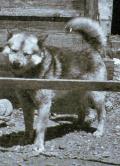 1950年代の北海道犬 1950年代の北海道犬1930年代、秋田犬、北海道犬、甲斐犬、紀州犬、柴犬、四国犬が天然記念物に指定されました。琉球犬は1995年の指定です。 |
|
犬種名 北海道犬はアイヌ犬(Ainu dog)と呼ばれてきました。1869年、T.ブラキストン氏(英)がその犬をアイヌ犬と命名しました。日本人は彼をよく知っています。なぜならば、1880年、彼は鳥類分布の研究を通して、北海道の種が本州のものと異なっているという「ブラキストン線」を提唱したからです。 1937年に北海道犬は天然記念物に指定され、またその正式名が北海道犬(ほっかいどういぬ)に決定されました。 しかし、日本人の間ではいつも「ほっかいどうけん」と呼ばれています。 「いぬ」も「けん」も共に犬を意味しますが、通常、「けん」は”ほっかいどうけん、かいけん、しこくけん”のように地方名と一緒に使われます。 柴犬(しばいぬ)のように、名詞の後ろに「いぬ」を付けて読む例もあり、こうした読みは慣用的なものと考えられます。 ※ 文部省は、それぞれの日本犬を『天然記念物』に指定する際、「地方名+いぬ(犬)」の読み方を採用しました・・・北海道犬(ほっかいどういぬ)という読みの原点は、ここにあります。 |
歴史 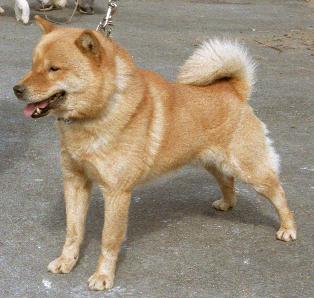 北海道犬は日本犬の一種です。アイヌ犬(Ainu dog)としても知られてきました。なぜならば、アイヌ民族(北海道の先住者)がクマ狩りやシカ狩りに使うためにその犬を繁殖したからです。
この犬種がもつ体力や体格によって、この犬は北海道の厳しい寒さ、豪雪、深い森、ごつごつした地形によく耐えています。 北海道犬の歴史はアイヌ民族の歴史にとても密接な関連があります。 当初、古いアイヌ民族は、犬を伴いながら日本全土に定住していました。 彼らは日本の先住民です。 いくつかの仮説によれば、彼らは今から数千年前に日本列島に入った南モンゴロイド移住者の子孫です・・・縄文時代(BC8000~BC300)の前。 しかしながら、弥生時代(BC300~AD250)と古墳時代に北モンゴロイド移住者が犬を連れて本州に入り、そこで混血することになり、元祖アイヌ民族と元祖北海道犬が生まれました。 一方、とても遠く離れていたので、沖縄や東北地方や北海道に住んでいた人々は混血しませんでした・・・犬も同様です。 頭部構造の微細な変異に関する調査を通して、沖縄の人々は本州の人々と血縁があるがアイヌの人々とは血縁がないという仮説があります。 また、遺伝的な研究によれば、古いアイヌ民族は寒冷に適応してこなかった別の北モンゴロイド移住者の末裔とする仮説も提起されています。 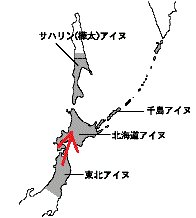 近世におけるアイヌ民族の分布 (提供:アイヌ民族博物館)
大和朝廷の統治者が(大和時代:AD300~AD710)東に領域を拡大し始めて以来、東北アイヌは彼らの犬とともに北海道に絶えず追い出されていました。北海道では、東北アイヌは北海道アイヌと混血し、さらに彼らの犬も同様でした。
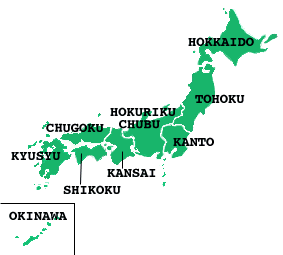
このようにして、北海道犬が北海道で生まれ、また琉球犬も沖縄で生まれました。北海道犬も琉球犬も当初はともに南の犬だったのでしょう。 犬たちの混血によって、本州、九州、四国で甲斐犬、紀州犬、柴犬、四国犬が誕生しました。 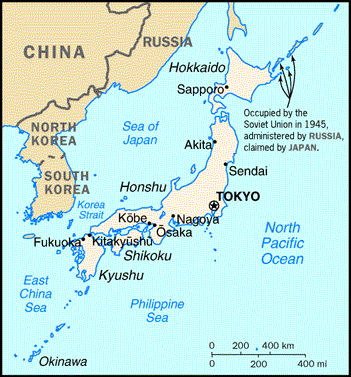
 |
|
アイヌ民族 アイヌ民族の歴史は不幸で悲しいものでしたが、彼らは自らの書き言葉を持たずに、高貴な精神と独特の文化を持ってきました。純粋なアイヌ文化はおよそ1400年から1700年代前半まで続きました。 "アイヌ"というのは"人間"を意味します。彼らは「カムイ」(神々)を持ち、神のためにいろいろな儀式を行いました。この神には、火、水、風、雷、クマ、キツネ、トリカブト、キノコ、小舟、つぼ、家、山、湖のような多様な神が含まれます。 1400年代中頃には、日本人は道南に対する彼らの影響力を広げました。あとで、彼らはさらにアイヌ民族を迫害するためにやって来ました。日本人による抑圧と搾取に抵抗するため、アイヌ民族は何度か戦いを挑みましたが、完全に日本人の支配下に置かれました。 1800年代後半から、アイヌは日本の毎日の習慣に従うことを強いられました。1899年、北海道旧土人保護法が可決されました。しかし、その法令はアイヌを「元原住民」と呼んで、日本人とアイヌ民族の区別をはっきりさせました。 1961年、北海道ウタリ協会(現:社団法人北海道アイヌ協会)が設立されました。「ウタリ」は「同胞」を意味します。協会はアイヌ民族に関するいろいろな問題に活発に取り組みました。まもなく、協会は日本政府が「アイヌ新法」を制定しなければならないと要求し、ついに法律が1997年に制定されました。
その法律はアイヌを少数民族として広く認めるわけで、アイヌのための重要な法律です。日本人と混血しましたので、現在、ごくわずかの純血アイヌしかおらず、彼らは通常日本人として生活しています。アイヌ民俗衣装を着たアイヌがアイヌ犬(北海道犬)と一緒にいるいう幻想を持たないでください。アイヌの子供たちのための学校はありません。
この頃は、アイヌとつながりがある人々の下で、アイヌ語・伝統舞踊・各種儀式のようなアイヌ文化を保全・維持するために、さまざまな活動が活発に進められています。 |
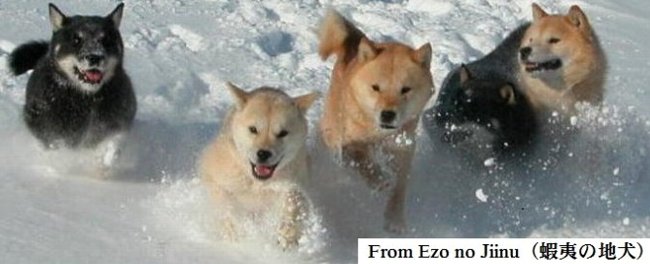
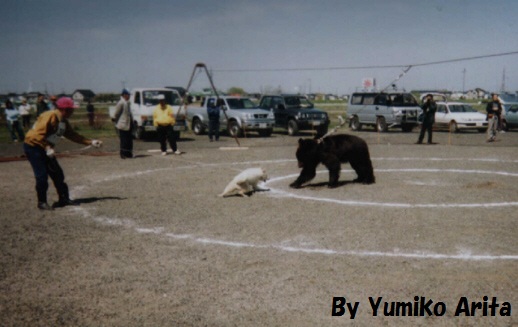
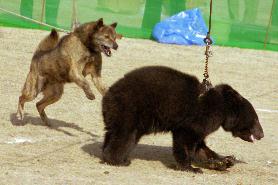
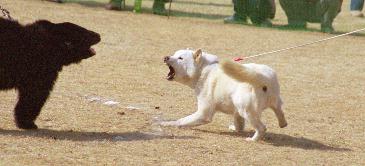
特性 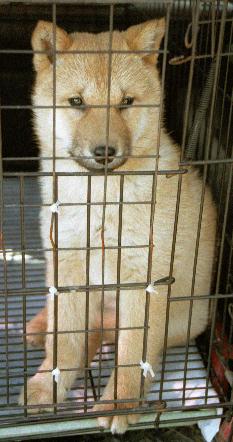 自然界にいたときのように、素朴で野生的でパワフルな犬です。機敏で素早く、軽快な歩様(足取り)の犬です。ストップ(額中央の長くて狭いくぼみ)は浅いながらも明瞭で、そのため穏やかな顔に見えます。飼い主に会ってうれしいとき、オオカミの遠吠えのように鳴きます。 とても独立心が高いので、警察犬になることはできません。 手元に戻って来ないため、屋外で放すべきでありません。興味のあるものを見つけたとき、「来い!」をときどき無視します。 たとえ訓練所に成犬を送ったとしても、他の日本犬のように良くなることはなく、お宅に戻ります。そして、トレーナーを噛みます。 普段は穏やかに飼い主に従い、愛情を掛けてもらうのが好きですが、非常に勇敢で男性的な特性を示します。恐れを知らず、断固としたハンターで、650ポンドのヒグマを攻撃することで知られています。とても良く躾けることができる犬種です。 |
大部分の犬に舌班(舌の黒い斑点)があります。 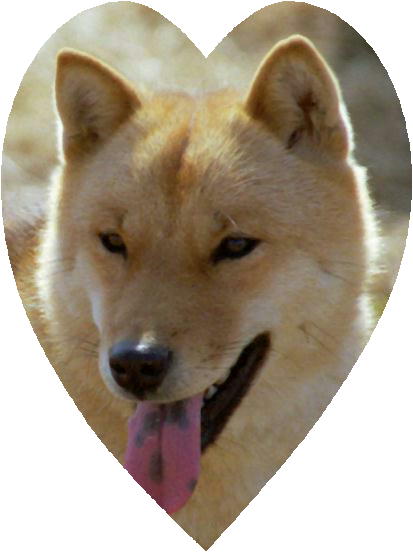 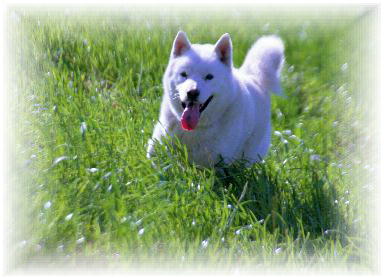 完全な白色犬としては、黒い鼻を持つことが望まれます(ベージュは良くありません)。 完全な白色犬としては、黒い鼻を持つことが望まれます(ベージュは良くありません)。 |
人や他の動物を噛む個体がいるかも知れません。この犬種を怖がる獣医もいます。しかし、今ではたくさんの噛まない犬もいます。 |
|
減点
あなたの犬に以下の欠点があるならば、競技では多くの減点となるでしょう。
(1) 歯の噛み合わせが悪い場合。 (2) 欠歯がある場合。 (3) 白色犬において、頬、あご、胸、腹の全てが完全に白でない場合。 |
|
獣猟(狩猟)
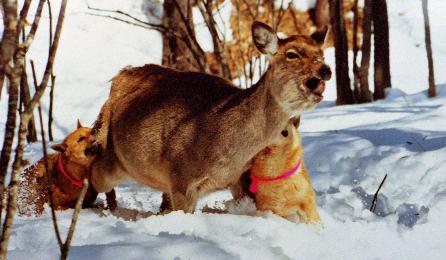 (提供:阿部宣之) 山でシカ狩りを研究することによって、北海道犬協会の会員である阿部宣之(北海道在住)は北海道犬の狩猟能力を調べてきました。 彼のレポートによると、犬たちが獲物をつかまえると、彼らはそれを決して食べません。大物がそこで逃げることができないならば、犬はそれへの強い愛着を持ちません。要するに、北海道犬はその飼い主の手助けのために獲物の狩りをします。 彼の犬がシカの前足の肩関節における神経組織を破壊することによって、シカを倒して殺すことを阿部の研究は確認しています。 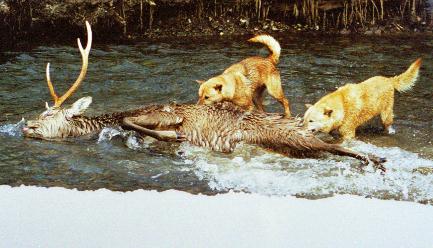 (提供:阿部宣之)
ときどき、当館の犬たちは裏庭でセミ・ネズミ・鳥・ヘビ・ネコのような様々な動物を捕ります。それは彼らのおもちゃのように見え、そのうえ、彼らはそれを決して食べません!
|
|
飼育法 (1) 栄養 通常、北海道犬の食事は質素なものとします。 子犬には、2~4回に分けて、1日につき合計200~400gの乾燥ドッグフードを与えます。そのとき、いくらかの魚肉も与えます。 成犬は、日に1回の食事で200~300gの乾燥ドッグフードとします。
この犬種は本当によく水を飲むので、バケツ1杯に新鮮なものを置いてやってください。
(2) 裏庭で 北海道犬は、自分の体の上に何かを付けられるのを嫌います。自分でそれを取り除いてしまうでしょう。 充分な運動が必要な犬種ですので、高いフェンスを備えた裏庭で自由に走らせてください。犬をつないだままにしないでください。 その裏庭で首輪を使いたいならば、柔らかくて丈夫な首輪を使ってください。通常、そこでは首輪は使いません。室内や野外では、柔らかで丈夫でシンプルな首輪を使うといいでしょう。 犬が噛み切ろうとするので、名札を首輪に下げないでください。 (3) 野外で もし、北海道犬を待たせたいなら、あなたの自動車の中に残すのがベストです。 しばらく犬を木につなぎたいならば、丈夫な鎖でつないでおいてください。リードが丈夫でないならば、犬はあなたを追ってリードを引きちぎります。 大胆で活動的で、道を平気で横切る傾向があるので、交通に気をつけて、犬の行動を抑えてください。 (4) 室内で 短時間、室内に置いたり、一晩中室内で寝させることは構いませんが、一日中室内というのは良くありません。大胆ではあっても、飼い主には好意を持っている犬ですので、ときどきは野外よりも室内に置いてあげるといいでしょう。 あなたが子犬の前で故意に紙片を床に落とすならば、子犬はすぐ紙に飛び付きます。その瞬間、厳しく叱ってください。そうすれば良い犬になるでしょう。当然のことですが、子犬が部屋の物を傷つけるときは、その場で厳しく叱ってください。 (5) 健康 寒い北海道を起源とする犬ですので、夏期には良い日陰を与えてください。日中の暑さのためひどく食欲がないならば、エアコンが効いている部屋に入れてください。暖かい時期、ギラギラした陽の中で走らせたりはせず、代わりに夜間または早朝に軽い運動をさせてください。 暖かい地域に住んでいるならば、フィラリア予防薬を与えてください。 (6) 手入れ たくさん毛が抜けてきたり、身体が泥で汚れたときにはブラッシングしてください。 (7) 展覧会(ドッグショー) もし、展覧会のためにトレーニングするならば、犬を自転車かバイクで走らせ、さらに短いリードで歩かせ、駆け足をさせてください。 (8) 調教 もし、あなたが毅然として北海道犬を叱ることができないならば、飼わないでください。 野性味の強い犬です!!! 狩猟目的のために、オオカミのように飼育されてきました。 一方、その犬はいつも人間と一緒にいることを望んできました。 日本犬は、たやすく扱えるように改良されてきた欧米の犬種とは違います。わずかな日本人だけが日本犬をうまく飼育できます。ただし、柴犬の扱いが楽です。たとえ、あなたがたちの悪い北海道犬の成犬を訓練に出しても、その犬は他の日本犬のように良くなって帰ってくることはないでしょう。 |
|
保存団体 日本には、主要な北海道犬保存団体が三つあります。 当ウェブサイトはその英名を問い合わせました。 すべての団体が北海道にあります。 1. 日本ケネルクラブ(天然記念物北海道犬登録協会) 2. 社団法人天然記念物北海道犬保存会 電話 011-261-9910 FAX 011-261-9910 https://doukenpo.com/ 3. 天然記念物北海道犬協会
ブリーダー |
日本のペットショップでも、あなたは北海道犬を見つけることはできません。犬種の最良の特性を維持するため、保存団体の会員が所有しています。 牧十郎(北海道札幌市在住)だけが専門のブリーダーで、彼は他の犬種も扱っています。実際のところ、工藤敏雄(北海道札幌市在住)や武方正雄(北海道稚内市在住)のような他のブリーダーは他に仕事を持ち、彼らは愛犬家であり、腕の良いハンドラーです。彼らは保存団体の役員です。 残念ながら、これらのブリーダーや保存団体は犬の海外への輸出を扱っていません。 あなたが、どうしても犬を入手したいと希望するなら、当ウェブサイトにご連絡ください。ビジネスとして輸出することができます。 |